Book a demo
A focused demo, mapped to your network and your processes — run by someone who has migrated networks like yours. Or start with the question that changes everything: how good is your data, really?
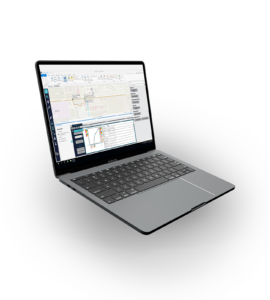


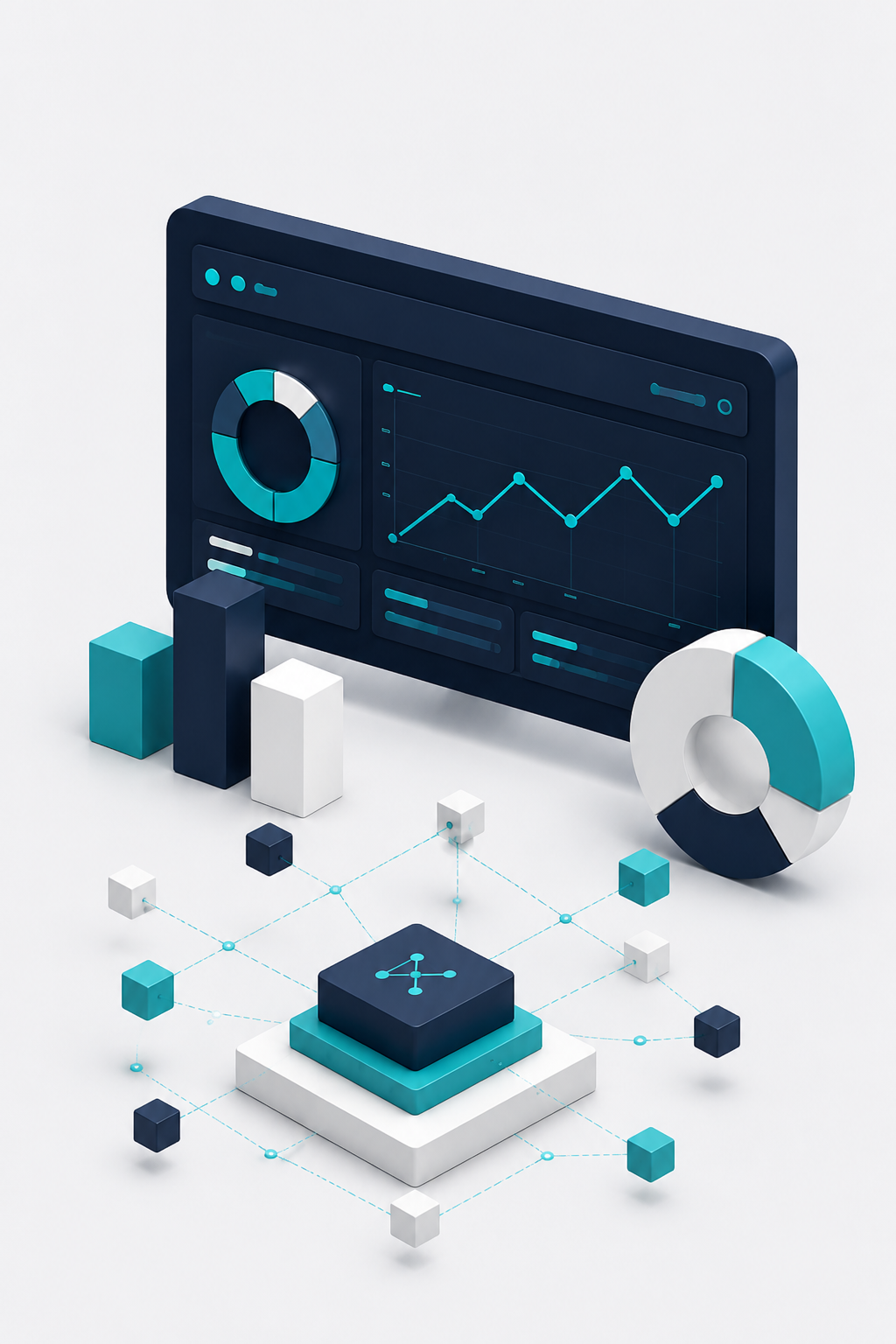
Marlin Data Fabric (MDF) is an end-to-end data framework designed to seamlessly orchestrate the entire data lifecycle—from ingestion and migration to transformation, quality assurance, and AI-driven intelligence. Built for modern data ecosystems, Marlin Data Fabric provides a unified layer that connects disparate data sources, automates complex workflows, and ensures data is trusted, clean, and ready for advanced analytics and machine learning.

MNI ships with ready-made geographic datasets and dashboards, so the business sees the network the moment it's connected:



Under the hood: AI/ML and computer vision read unstructured legacy — spreadsheets, PDFs, Visio, diagrams — alongside geospatial tooling, always with a human in the loop. Start with a Data Assessment, or see how we use AI.
Ask for a Data AssessmentHow we use AI?
A focused demo, mapped to your network and your processes — run by someone who has migrated networks like yours. Or start with the question that changes everything: how good is your data, really?