Book a demo
A focused demo, mapped to your network and your processes — run by someone who has migrated networks like yours. Or start with the question that changes everything: how good is your data, really?


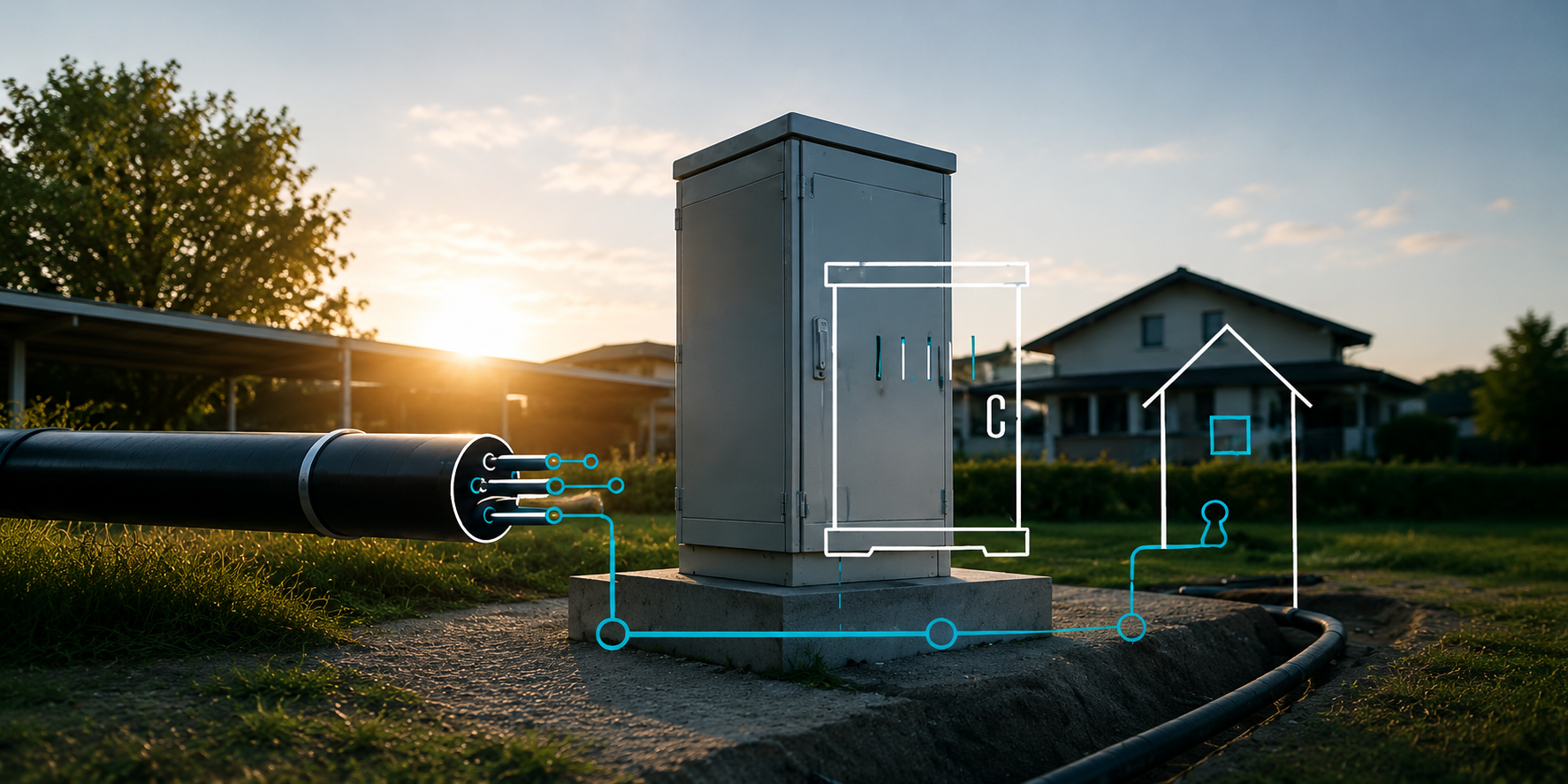
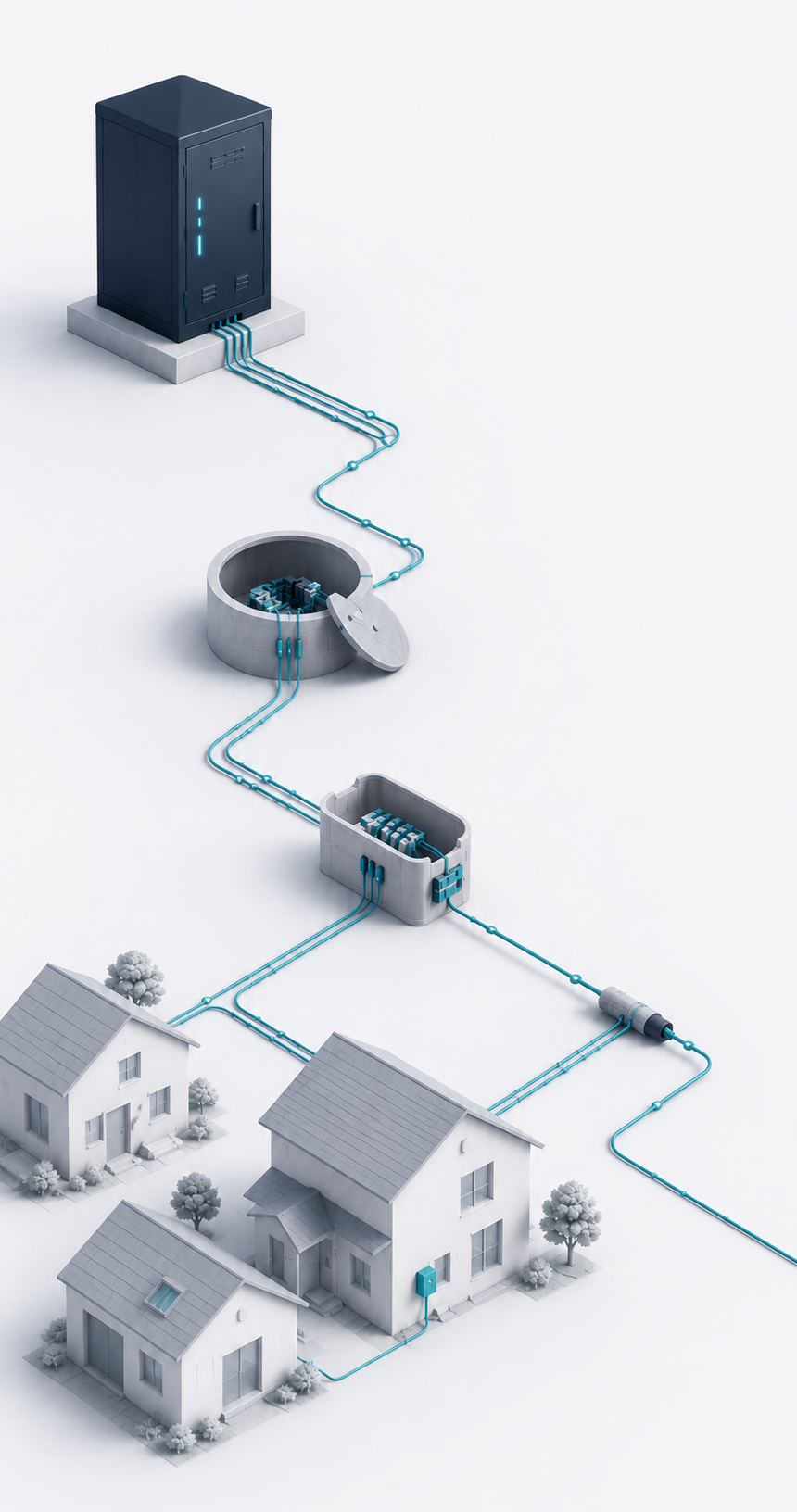
Fibre (PON, P2P, FTTH/FTTP including FTTO, aerial, underground), coax and HFC, and backbone / long-haul / transmission — including high-fibre-count B2B and international networks with strict SLAs. End to end: racks, shelves, active equipment, ports, patches, fibres, cables, microducts, ducts, splices, splitters, overlength, OSP and ISP (with floor plans). One unified data model holds FTTP and HFC side by side.
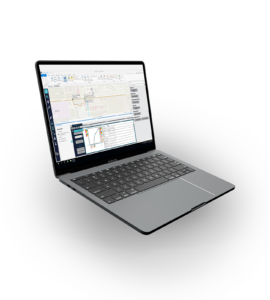
Everything engineers need to design, validate and manage telecom networks — in one integrated environment.
Isolated, versioned design on live production data; role-gated promote-to-production; abandoned studies auto-release reserved resources and names.

Branch versioning, draft what-ifs, and optimistic, context-aware locking.

Upstream/downstream, shared-segment detection, impact analysis, end-to-end paths.
Butterfly view, schematic/synoptic diagrams, tabular splice matrices.

HFC real-time RF/signal, low-voltage power-basin tracing, fibre attenuation / optical-budget.

Vertical MDU / in-building design.

Reserve capacity with configurable thresholds.
BoM / BoQ, splicing plans and jetting schemes.
Engineering rules and naming conventions, distinct for FTTP and HFC.
Study vs production vs as-built; before/after; Map Series A0–A4.

A focused demo, mapped to your network and your processes — run by someone who has migrated networks like yours. Or start with the question that changes everything: how good is your data, really?